Iran National Council and the New Era of Online Gaming Freedom
Modern Iran's story is largely a story about trust. People want to know their votes count. They want institutions that serve the public and rules that treat everyone the same. The Iran National Council for Free Elections has built its identity around those wants. On irannc.org, that mission ties into a bigger conversation about openness, digital freedom, and how clear, honest rules are reshaping everything from politics to online entertainment.
The Iran National Council and Its Democratic Mission
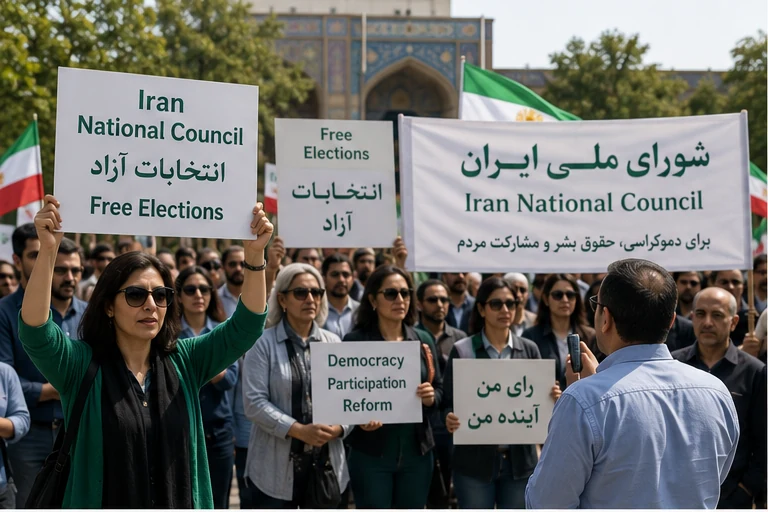
The Iran National Council started with one plain demand: people should pick their own leaders through honest, competitive elections. The demand sounds simple, but it powers a much larger vision. The council treats free elections as the first door to open, the one that unlocks every other reform, from economic renewal to personal liberty.
Who Stands Behind the Iran National Council for Free Elections
The people behind the Iran National Council for Free Elections come from many walks of life. Some are exiled scholars. Others are activists, journalists, or ordinary citizens who want peaceful change. One belief holds them together: legitimacy comes from the ballot box. The Iran National Council offers a platform where these voices can organize, publish, and speak out without censorship or fear of reprisal.
Core Values of Transparency and Accountability
Transparency drives the council's message. When decisions happen in the dark, corruption usually follows. The Iran National Council argues that accountable institutions have to explain their reasoning, answer to the public, and accept outside scrutiny. Healthy societies apply those same values to courts, banks, and even entertainment, where hidden rules quickly destroy public confidence.
Why Free Elections Shape Everything Else
Free elections decide far more than who holds office. They shape whether investors feel safe, whether journalists can work, and whether people believe life can improve. The national council of resistance of iran and allied movements have long made the same point: political freedom is the base that economic and digital progress rest on. Without it, markets stall and innovation drifts to more open countries.
How Political Reform Connects to Modern Digital Markets
Political reform and digital markets look unrelated, yet they run on the same engine: trust in rules. A society that respects fair procedures tends to build fair marketplaces. When governance improves, money returns, technology spreads, and consumers gain protections they never had. Here is how the two worlds strengthen each other.
From Closed Systems to Open Economies
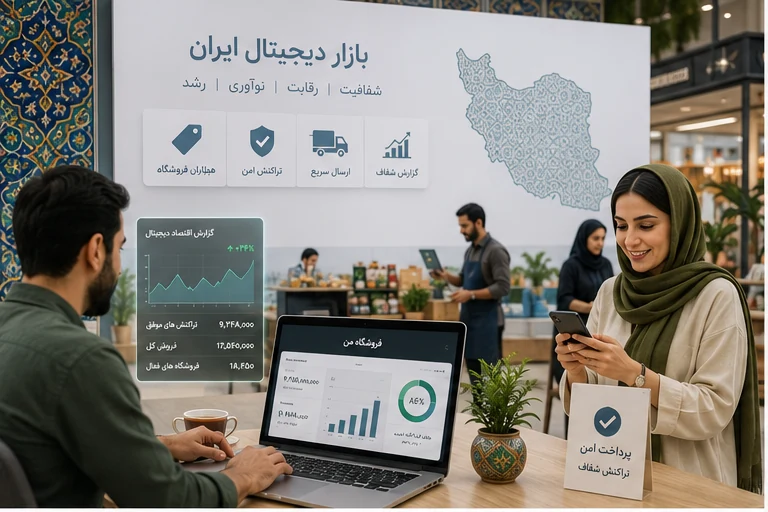
Closed political systems usually breed closed economies. Access stays limited, information stays guarded, and a small circle keeps most of the gains. Open systems behave differently. They welcome competition, reward transparency, and let ordinary people share in growth. The national council resistance iran movement often draws this contrast to explain why democratic reform matters for daily prosperity, not just for headlines.
Comparing Governance Models and Their Digital Impact
Governance models shape digital life in very different ways. The table below compares broad approaches and how each tends to affect online markets, consumer rights, and innovation.
| Governance model | Level of transparency | Consumer protection | Digital innovation |
|---|---|---|---|
| Closed authoritarian | Very low | Minimal and inconsistent | Slow, often blocked |
| Managed hybrid | Partial | Uneven, selectively enforced | Moderate but fragile |
| Emerging democratic | Rising | Expanding and rule-based | Fast and competitive |
| Established democratic | High | Strong and predictable | Mature and diverse |
These categories are simplified, naturally. Real countries shift between them over time. The takeaway is steady: transparency and consumer protection rise together, and digital innovation follows close behind.
The Role of Trust in Every Regulated Market
Every regulated market runs on trust. People deposit money, share data, and follow rules because they expect fair treatment. Once that expectation breaks, participation collapses. The pattern holds for elections, for banking, and for licensed entertainment platforms. The Iran National Council makes the point plainly: credible oversight is what turns a risky space into a market people choose to join.
Digital Freedom as a Foundation for Fair Play
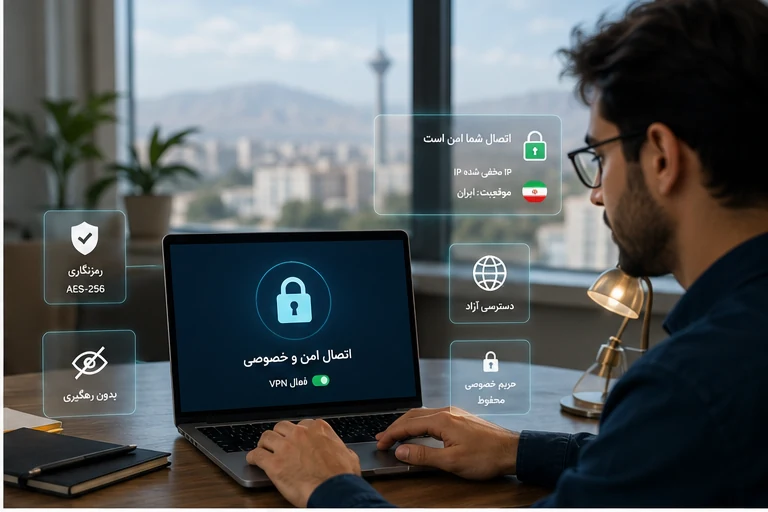
Digital freedom means more than reaching uncensored websites. It includes privacy, security, and the right to use online services without surveillance or sudden blocks. For Iranians who face heavy internet restrictions, these freedoms feel personal. They are also the exact conditions that make any fair online system work.
Privacy, Access, and the Open Internet
Privacy shields people from abuse, whether it comes from governments or dishonest companies. Open access lets people learn, trade, and connect across borders. Together they hold up a healthy digital life. The Iran National Council for Free Elections treats internet freedom as a civil right and argues a simple truth: a population kept in the dark cannot make free choices about its leaders or its money.
What Fair Systems Have in Common
Fair systems, political or digital, tend to share a recognizable set of traits. The same qualities show up in clean elections and in well-run online platforms.
- Clear rules, published in advance and applied equally to everyone.
- Independent oversight that can investigate and fix abuses.
- Honest reporting of results, whether votes counted or outcomes generated.
- Real protection for personal data and user privacy.
- Accessible complaint channels so ordinary people can raise problems.
- Consequences for rule-breakers, whatever their status.
When most of these traits show up, trust follows. When they go missing, suspicion grows and participation drops.
Lessons Citizens Learn from Transparent Institutions
People pick up habits from the institutions around them. When courts and elections act fairly, citizens start to expect fairness everywhere, including in the services they use online. That expectation lifts standards across the board. The national council of resistance of iran and similar groups argue that transparent institutions today create a public that will demand fair treatment from every provider tomorrow.
Where Iranian Reform Ideals Meet the Online Casino World
At first glance, a democratic reform movement and the online casino industry seem to live in separate universes. Look closer, and a surprising overlap appears. Both rely on fairness. Both survive on public trust. Both need credible oversight to last. This section follows that connection directly.

Shared Principles of Fairness Openness and Oversight
The values the Iran National Council promotes in politics line up neatly with the standards a responsible online casino has to meet. Fair elections need honest counting; fair gaming needs certified random outcomes. Democratic institutions need independent auditors; licensed operators need outside testing labs. In both cases, people only take part when they believe the odds are not quietly rigged against them.
How Regulated Gaming Mirrors Democratic Safeguards
Regulated gaming platforms use many safeguards that echo democratic principles. The parallels deserve to be spelled out.
- Licensing works like a constitution, setting the ground rules an operator must follow.
- Independent audits resemble election monitors who confirm the results are genuine.
- Published payout rates act like open budgets that anyone can inspect.
- Self-exclusion tools protect vulnerable users the way civil rights protect citizens.
- Dispute resolution mirrors an independent court where complaints get a fair hearing.
- Data protection rules guard privacy just as a free society shields private life.
None of this makes gambling risk-free, and no one should sell it that way. It only shows that the machinery of trust looks alike wherever fairness matters.
Responsible Participation On and Offline
Responsibility counts in both arenas. In politics, people are urged to stay informed, check their sources, and vote with care. In online gaming, players are urged to set limits, learn the odds, and treat entertainment as entertainment rather than income. The Iran National Council's wider message about informed, empowered citizens fits here perfectly: people choose better when they understand the system and their own rights inside it.
Building Confidence in Institutions and Platforms
Confidence is earned slowly and lost fast. Whether the subject is a political movement or a digital service, the public looks for signs of honesty before committing. This last section shows how to read those signs and what the road ahead might bring for Iran and its growing digital space.
Signs of a Trustworthy Organization or Operator
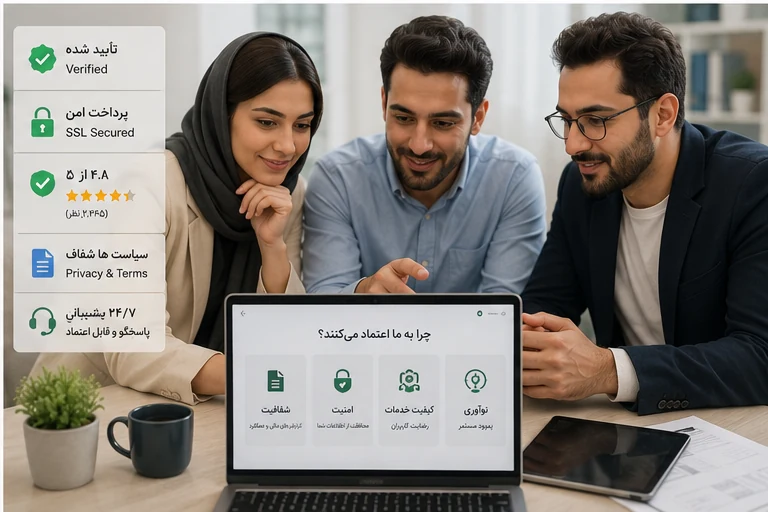
A few markers of credibility appear again and again, in politics and online services alike. The table below places some of them side by side.
| Trust signal | In a political movement | In an online platform | Why it matters |
|---|---|---|---|
| Clear identity | Named leaders and stated goals | Visible license and company details | Prevents anonymous manipulation |
| Independent review | External observers welcomed | Third-party audits published | Confirms claims are real |
| Open records | Transparent decisions | Clear terms and payout data | Lets people judge fairly |
| User protection | Defends civil rights | Offers responsible-play tools | Shields the vulnerable |
Read together, these signals help ordinary people tell credible actors from empty promises, in the voting booth and on the screen.
The Long Road Toward Credibility
Credibility cannot be rushed. The Iran National Council has spent years publishing analysis, documenting abuses, and building a name for consistency. Online operators face the same slow climb, earning trust one honest interaction at a time. There are no shortcuts, and audiences have learned to doubt anyone who claims there are.
What the Future May Hold for Iran and Its Digital Space
The future stays uncertain, but the direction of pressure is clear. Iranians increasingly want openness, privacy, and fair treatment, online and off. If reform moves forward, the country could join the wider digital economy on healthier terms, with real consumer protections in place. Platforms like irannc.org keep that conversation alive, tying political freedom to the everyday freedoms people feel through their screens.
FAQ
Common questions about the Iran National Council, digital freedom, and how this platform connects political reform to the online gaming world.
What is the Iran National Council for Free Elections?
It is a platform tied to Iranian democratic reform that pushes for free, competitive elections and transparent institutions. The Iran National Council treats honest elections as the base for economic, civil, and digital progress across the country.
How does irannc.org connect politics to online gaming?
The site uses shared values as a bridge. Fairness, transparency, and independent oversight matter in democratic reform and in regulated online gaming alike. That overlap lets the platform discuss digital freedom and fair play while keeping its core political focus.
Is this website promoting gambling?
No. The site treats the online casino world as an example of how transparency and oversight build public trust. It stresses responsible participation, informed choices, and realistic expectations instead of encouraging anyone to gamble.
What does digital freedom mean in this context?
Digital freedom covers privacy, open internet access, and the right to use online services without surveillance or arbitrary blocks. For many Iranians these are daily concerns, and they are also the conditions that make any fair online system possible.
Why compare democratic safeguards with casino regulation?
Because the mechanics of trust look alike in both. Licensing resembles a constitution, audits resemble election monitors, and dispute systems resemble independent courts. The comparison shows how fairness gets engineered wherever the public is asked to take part.
How can I tell if an organization or platform is trustworthy?
Look for a clear identity, independent review, open records, and real user protection. Whether you are judging a political movement or an online service, these signals help you separate credible actors from empty promises.
Conclusion
The Iran National Council builds its case on one powerful idea: people take part when they trust the rules. That idea explains its focus on free elections, transparency, and digital freedom, and it also explains why the same standards turn up in regulated online gaming. Fair counting, independent oversight, and real user protection are not separate concerns. They are different faces of the same demand for honesty. As Iran's digital space grows, platforms like irannc.org keep linking political reform to the everyday freedoms citizens feel online, reminding readers that fairness, once expected, is hard to give up.