Civil Society and Political Participation in Iran
Civil society is where political participation begins. Community groups, advocates, and engaged citizens shape the conversation about reform long before any vote takes place. This article explores how human rights advocacy and citizen engagement contribute to debates about Iran's political future. Strong civic life does not replace formal institutions, but it prepares people to use them well. Understanding that groundwork helps explain how democratic participation grows.
The Building Blocks
Healthy civic life rests on everyday activity, not grand gestures. Each form of engagement strengthens the habits that democratic participation requires.
- Independent groups that organize around shared concerns.
- Advocates who document and defend basic rights.
- Open discussion that welcomes different viewpoints.
- Local initiatives that solve concrete community problems.
- Education that helps citizens understand their rights.
Forms of Participation
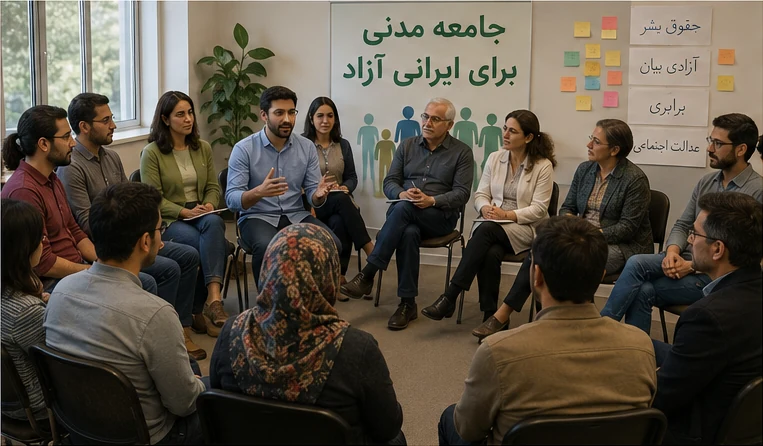
Participation takes many shapes, each with a different reach. The table compares common forms and what they contribute.
| Form | Example | Contribution |
|---|---|---|
| Advocacy | Rights campaigns | Public awareness |
| Association | Community groups | Collective voice |
| Dialogue | Open debate | Shared understanding |
"Democracy is practiced daily in civic life long before it is counted at the ballot box."
Why It Matters
A vibrant civil society makes reform durable. When citizens are used to organizing, speaking, and holding institutions to account, formal rights gain real meaning. Human rights advocacy keeps pressure on abuses, while everyday participation builds trust between people and the systems meant to serve them. In Iran, strengthening civic life offers a practical path toward broader, more meaningful political participation.